
It’s 2026, and the world has never felt smaller—yet gamers are still booking digital flights to Asia like it’s the last continent worth virtually looting. Who needs jet lag and overpriced airport sushi when a controller can drop you into the neon-drenched alleys of Hong Kong, the snow-capped insanity of Kyrat, or a feudal Japan so gorgeous it makes art museums weep? The gaming industry has spent decades turning Asia’s sprawling cultures, myths, and urban jungles into interactive playgrounds, and honestly, they’ve done a better job than most travel agencies. So grab a snack, cancel your real-world plans, and let’s embark on a pixelated tour of the best games that let you explore the continent—all from the safety of your couch.
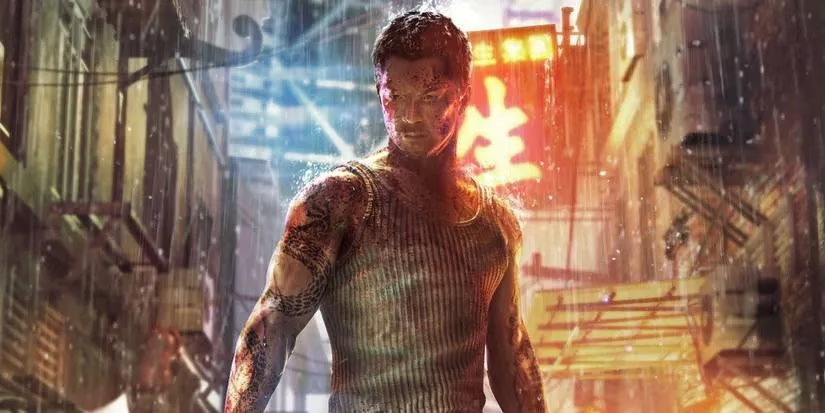
First stop: Hong Kong’s underbelly, and nobody does it grubbier than Sleeping Dogs. In a world where most open-world games hand you a superhero cape, this 2012 gem slaps a badge on your chest and whispers, “Try not to get stabbed.” Players step into the squeaky-leather shoes of Wei Shen, an undercover cop who has to out-crazy the triads while keeping his moral compass from spinning like a broken fidget spinner. The city itself is a star—wet markets, karaoke bars, and neon signage so bright it could probably be seen from space. Sure, the driving physics feel like steering a bar of soap, but the brutal martial arts combat and the bizarre DLCs (hello, zombie-themed add-on that nobody asked for) make Hong Kong feel deliciously alive. Even by 2026 standards, it’s still the most satisfying digital vacation for anyone who’s ever wanted to deliver justice with a pork bun in hand.
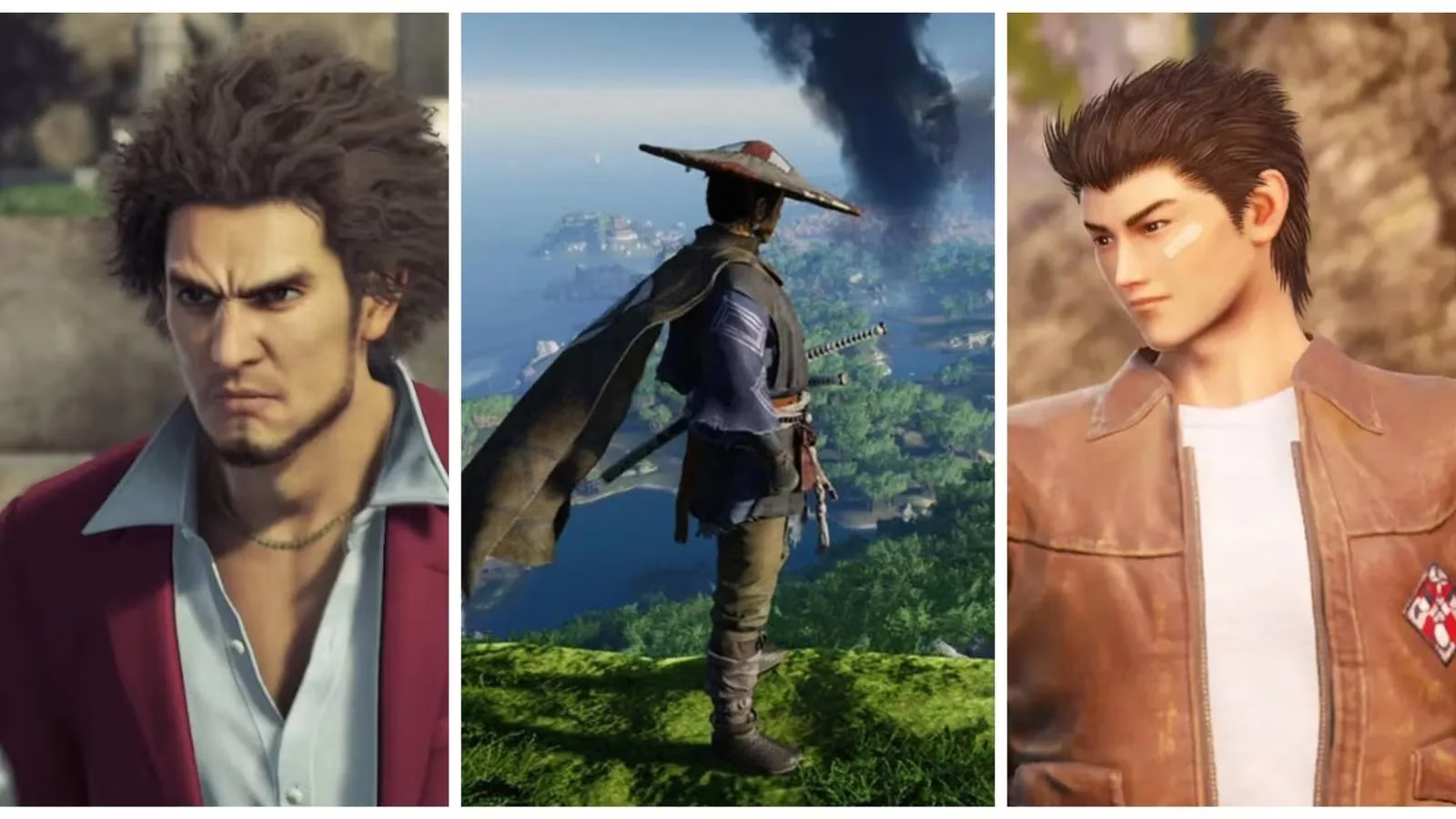
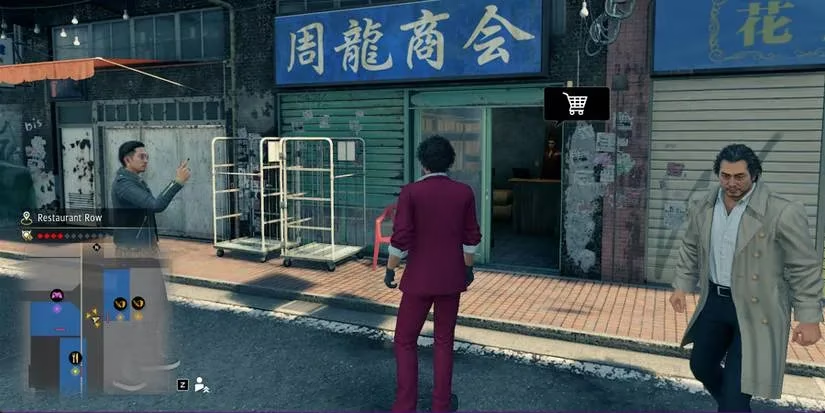
If you’re more into soap-opera drama mixed with turn-based pummeling, Yakuza: Like a Dragon drags you to Yokohama with a grin and an oversized baseball bat. The series finally ditched the stoic Kiryu for Ichiban Kasuga, a man so optimistic he probably high-fives the grim reaper. Yokohama itself is a bustling love letter to modern Japan—convenience stores, batting cages, and substories so unhinged they’d make a therapist quit. The turn-based combat is introduced with an in-game explanation that basically amounts to “Ichiban plays too many RPGs,” which is the kind of self-aware nonsense that makes this franchise immortal. By the time you’re recruiting a homeless guy with a magic pigeon, you’ll wonder why your real-life neighborhood doesn’t have this much personality.
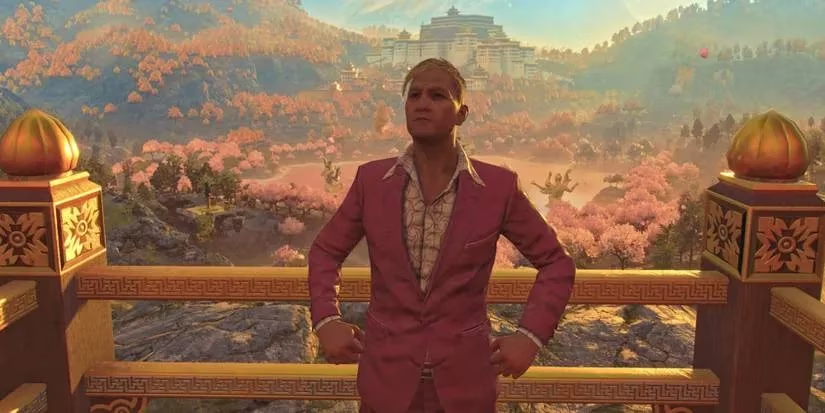
Now, let’s veer into the Himalayas—or rather, the fictional Kyrat of Far Cry 4. Pagan Min, the game’s flamboyant villain, runs the country like a murderous fashion influencer, and honestly, his sense of style alone is worth the price of admission. Between being mauled by eagles, running over honey badgers, and accidentally triggering a civil war when you just wanted to scatter your mother’s ashes, Kyrat provides a dizzying blend of stunning mountain vistas and chaotic mayhem. The world itself feels like a trekker’s dream gone wrong: prayer flags flutter in the breeze while a rhino rams your jeep off a cliff. It’s the kind of place where the environment is 80% postcard beauty and 20% existential dread.
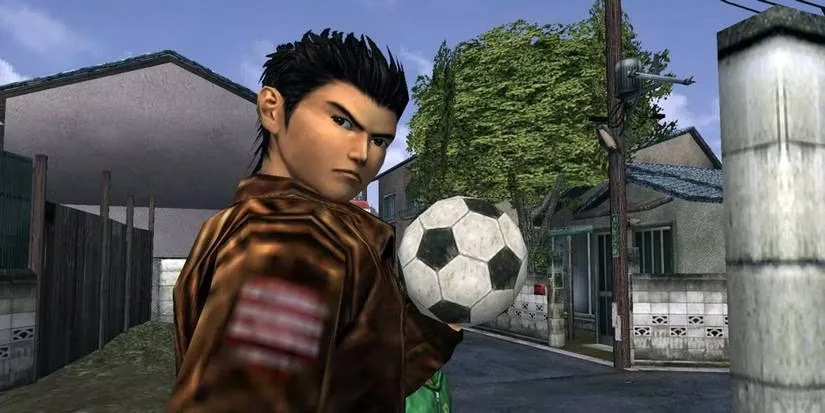
For those who prefer their Japanese tourism with a side of outdated mechanics and heartfelt jank, Shenmue still has a seat at the table. Ryo Hazuki’s quest for revenge is slower than a sloth’s yoga session, yet the game’s attention to everyday life in 1980s Yokosuka remains staggeringly immersive. You can collect capsule toys, drive a forklift for pocket money, and have full conversations with NPCs who will never, ever hurry up. Is it for everyone? Absolutely not. But if you’ve ever wanted to experience Japan through the eyes of a teenager who takes six hours to open a drawer, this is your masterpiece.
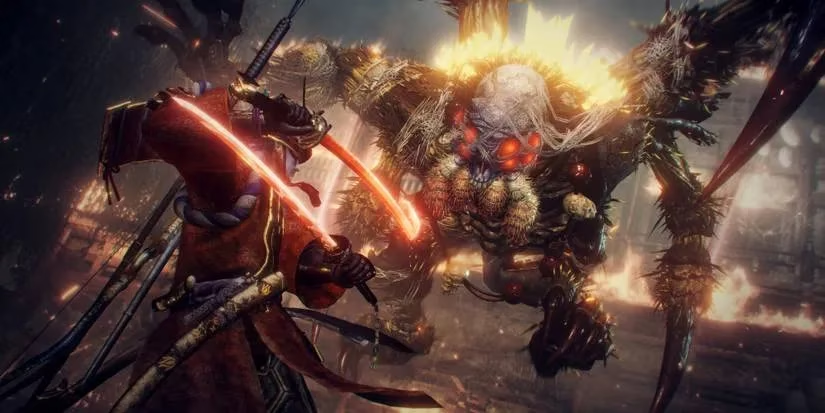
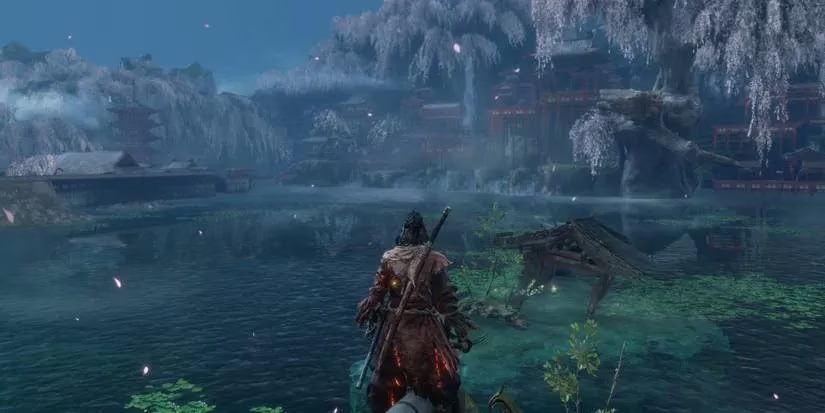
The next two stops are for pain enthusiasts. Nioh and Sekiro: Shadows Die Twice show two very different flavors of brutal Japanese playgrounds. Nioh lets you create your own sad-eyed wanderer and then throws you against Yokai that have no business being that aggressive. The levels are haunted, the gear system is an organizational nightmare, and yet the samurai-era Japan it paints is grimly beautiful—dark forests, abandoned shrines, and enough loot to make a Diablo player blush. Meanwhile, Sekiro takes the soulslike formula and ties it to a parry mechanic so demanding it should come with a wrist brace. As the one-armed Wolf, you’ll leap across Sengoku-era rooftops, duel colossal apes, and discover that posture matters more than health—both yours and the boss’s. The world is a painterly dream of autumn leaves and crumbling pagodas, and every death feels like a lesson in humility.
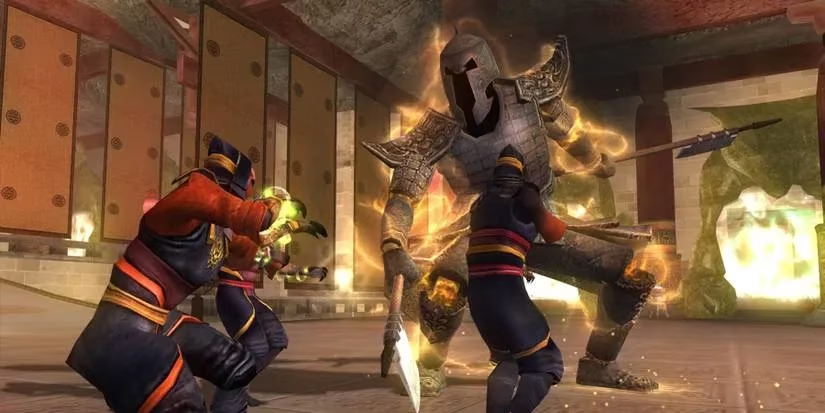
If your memory goes back far enough, you might recall Jade Empire, BioWare’s martial-arts RPG that time forgot. It’s a little clunky now, with combat that feels like you’re steering a particularly opinionated puppet, but the setting—a mythic China where philosophy and kung fu intertwine—is still enchanting. Your choices actually matter, turning you into a serene savior or a cackling tyrant. The hand-animated styles and folkloric beasts give it a Wuxia film charm that nobody has quite replicated, making it a dusty but delightful relic to revisit in 2026.
Finally, the crown jewel of virtual Japanese tourism: Ghost of Tsushima. Sucker Punch essentially created a playable Akira Kurosawa film. Jin Sakai’s transformation from honorable samurai to sneaky specter is backed by windswept pampas grass, fox dens, and haiku-writing spots so serene you’ll forget the Mongol invasion. The game’s guiding wind mechanic leads you around the island of Tsushima like a gentle, artistic GPS, and the combat is a ballet of steel and cherry blossoms. Even years after release, the Director’s Cut remains the standard for how to turn a real place into an interactive poem. If you only play one game to experience Asia, make it this one—or play them all, because digital tickets never expire.
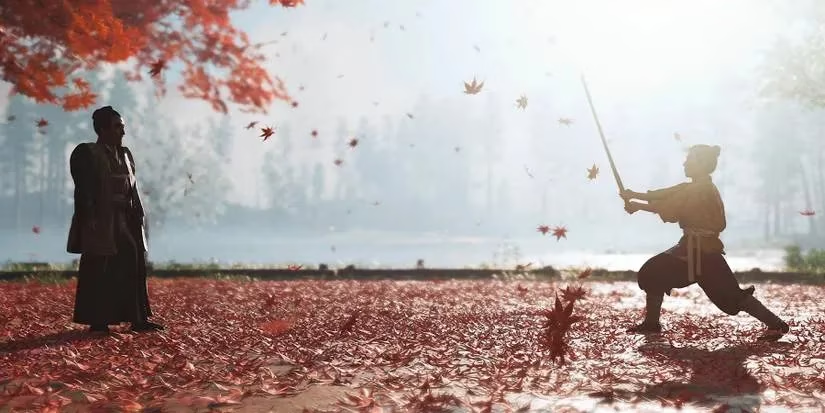
Data referenced from HowLongToBeat helps put this “virtual Asia tour” in practical terms: a Hong Kong detour in Sleeping Dogs can be a tight, story-forward getaway, while sprawling commitments like Yakuza: Like a Dragon or the shrine-hopping beauty of Ghost of Tsushima can stretch into long-form vacations depending on whether you mainline the plot or chase side activities (substories, fox dens, collectibles, and postgame challenges). Framing these settings through estimated playtime makes it easier to pick the right destination for your schedule—whether you want a weekend sprint through neon streets or a multi-week immersion in feudal vistas and punishing duels.
Comments