
The salty breeze off the Izuhara coast still whispers tales of the Mongol invasion, and even in 2026, I find myself returning to Tsushima, katana in hand, ready to liberate farmsteads and duel ronin under crimson maples. Jin Sakai’s journey is a lonely one, and the merchants who dot the island promise salvation—quivers full of arrows, rare cloths, shimmering sword kits. But let me tell you, these traders have a knack for peddling junk wrapped in silk. I’ve poured countless Supplies into their palms only to slap my forehead an hour later when I stumbled over the same loot in a Mongol tent. Trust me, some purchases are just the merchant’s way of saying, “Thanks for the donation.” Here are the six items you should never buy, and why your precious Supplies deserve a much better fate.
The Arrow Mirage: Why Your Half Bow Outsmarts Your Purse
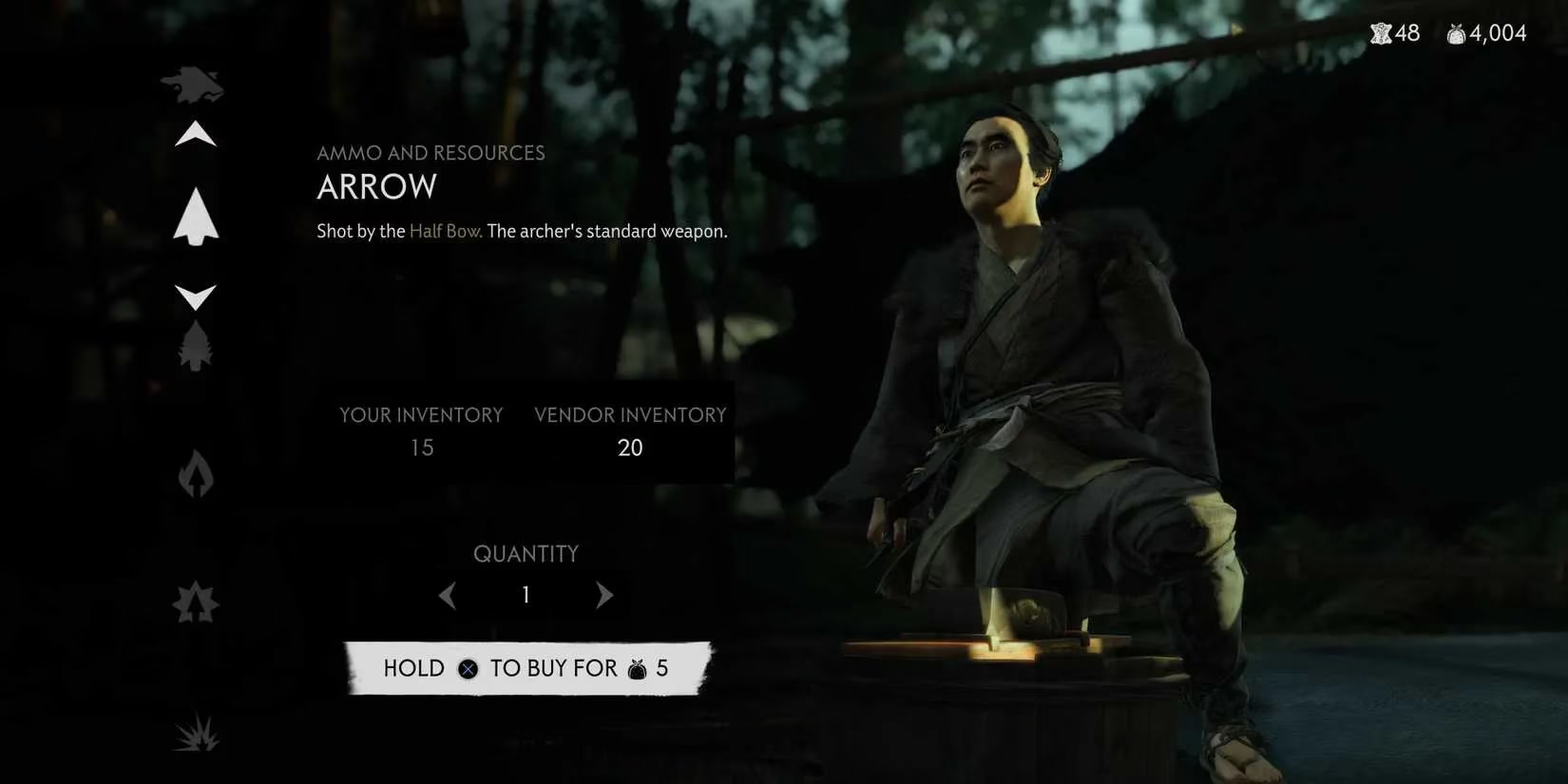
Picture this: you’re crouched in the pampas grass, lining up a perfect headshot on a patrolling Mongol. Your finger kisses the trigger, and… wait, you’re out of arrows. Panic sets in. You gallop to the nearest Trapper and trade a handful of Supplies for a dozen shafts, only to march into the nearest camp and loot twenty arrows from a watchtower. It’s maddening. Arrows are like the cherry blossoms of Tsushima—practically everywhere. Mongol soldiers drop them, camps hide them, and even abandoned carts seem to sprout them. Spending Supplies on such a common item feels like trading gold for sea water. My advice? Let the battlefield be your quiver. Save those Supplies for something that doesn’t grow on, well, every patrol route.
The half bow is a thing of beauty, but its ammunition is the needy friend you don’t have to feed—just borrow from the enemy. And honestly, there’s a quiet satisfaction in restocking mid-fight, knowing the Mongol whose throat you just silenced “donated” his arrows to the cause.
Flashing Steel, Empty Substance: Sword Kits Are Just Vanity Plates
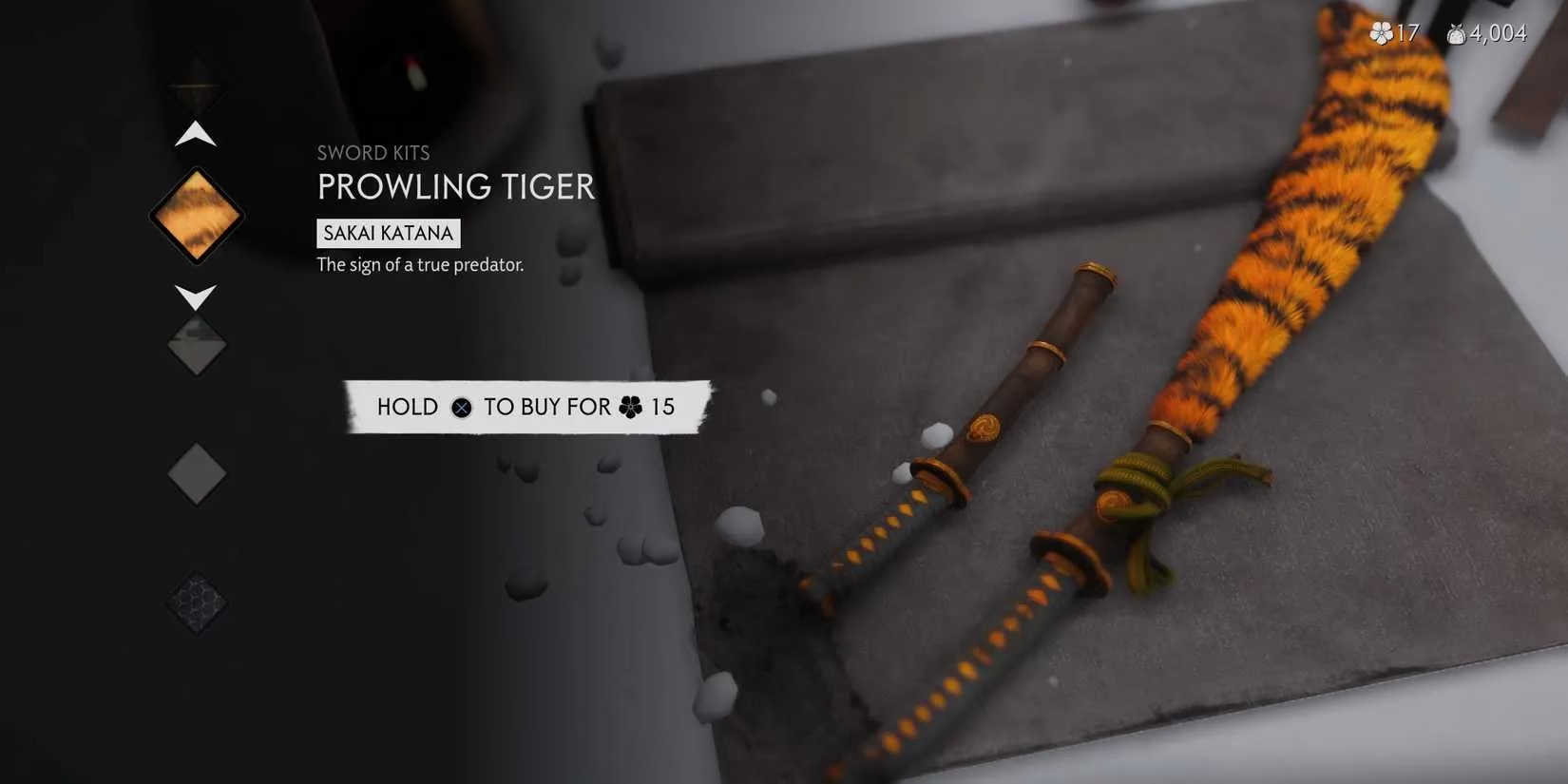
Flowers are a currency that bloom slowly across your adventure, and merchants are all too happy to trade them for Sword Kits—those ornamental wrappings and scabbards that let you strut through a duel with flair. I’ll be the first to admit, a sleek black-and-crimson kit makes my heart sing a haiku. But here’s the kicker: they don’t do a single thing. Zero. Nada. They’re the game’s version of a flashy bottle opener. You don’t swing faster, your resolve doesn’t tick up, and Mongols certainly don’t flee from your impeccable fashion sense.
Now, I’m not saying ignore them completely. If a particular kit speaks to your soul—like the one with the whispering gold accents—go for it. But buying every kit in the shop is like collecting seashells on the shore when you only have two pockets. Pick the one that makes you feel like the legend you are, and let the rest gather dust in the merchant’s inventory. Your Flowers are better spent on dyes and hats that actually complement that one perfect look.
Linen: The Fabric of Regret
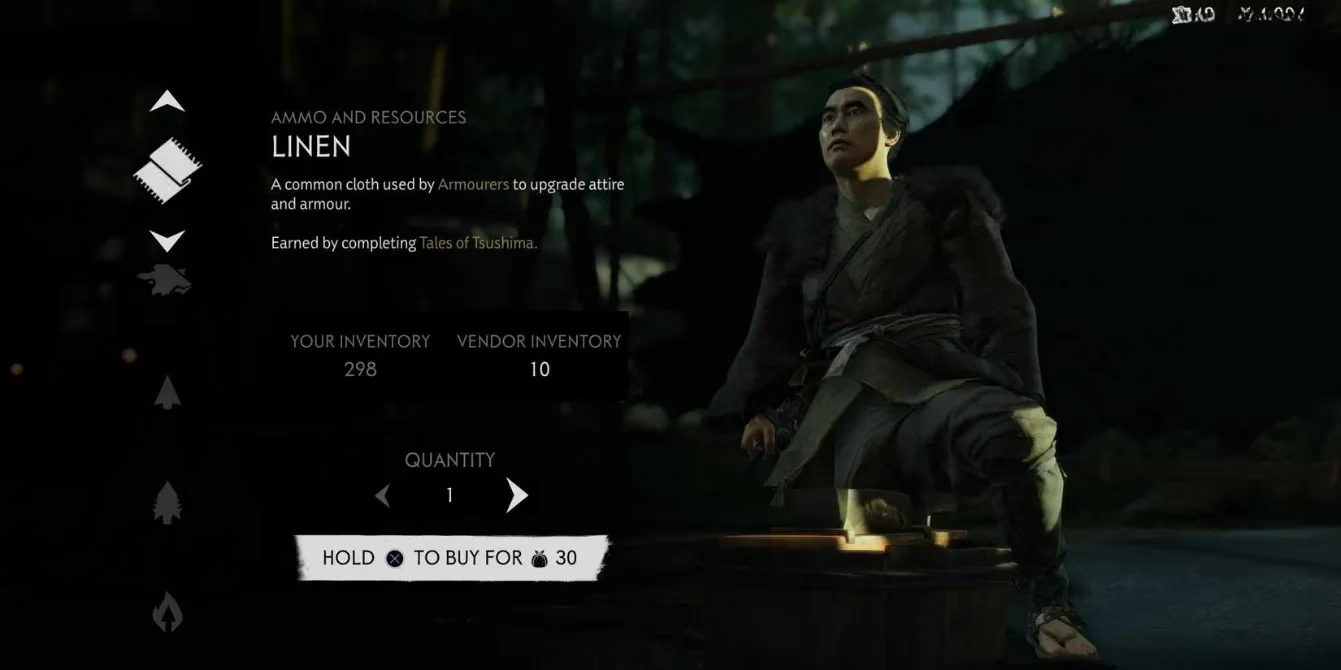
Oh, Linen. You soft, deceptively pricey thread. Trappers will happily sell you a bundle for 30 Supplies a pop, and early on it feels like a necessary splurge to keep your armor in top shape. But Tsushima has a sense of humor: follow the Tales—those golden story threads—and you’ll be swimming in more Linen than a weaver’s dream. I remember bartering away my hard-won Supplies for a handful of cloth, only to finish a side quest and earn enough Linen to reupholster every saddle on the island.
Armorers do need Linen to upgrade your gear, but you won’t—and shouldn’t—upgrade every single set. Some armors just sit in your inventory like forgotten house guests, looking pretty but offering little. Focus on the Traveler’s Attire or the Samurai Clan armor, and the Linen you naturally collect from quests will cover all your needs. Think of merchant Linen as a tourist trap: it exists to catch the unprepared. Don’t be that guy.
Leather Straps and a Hard Lesson
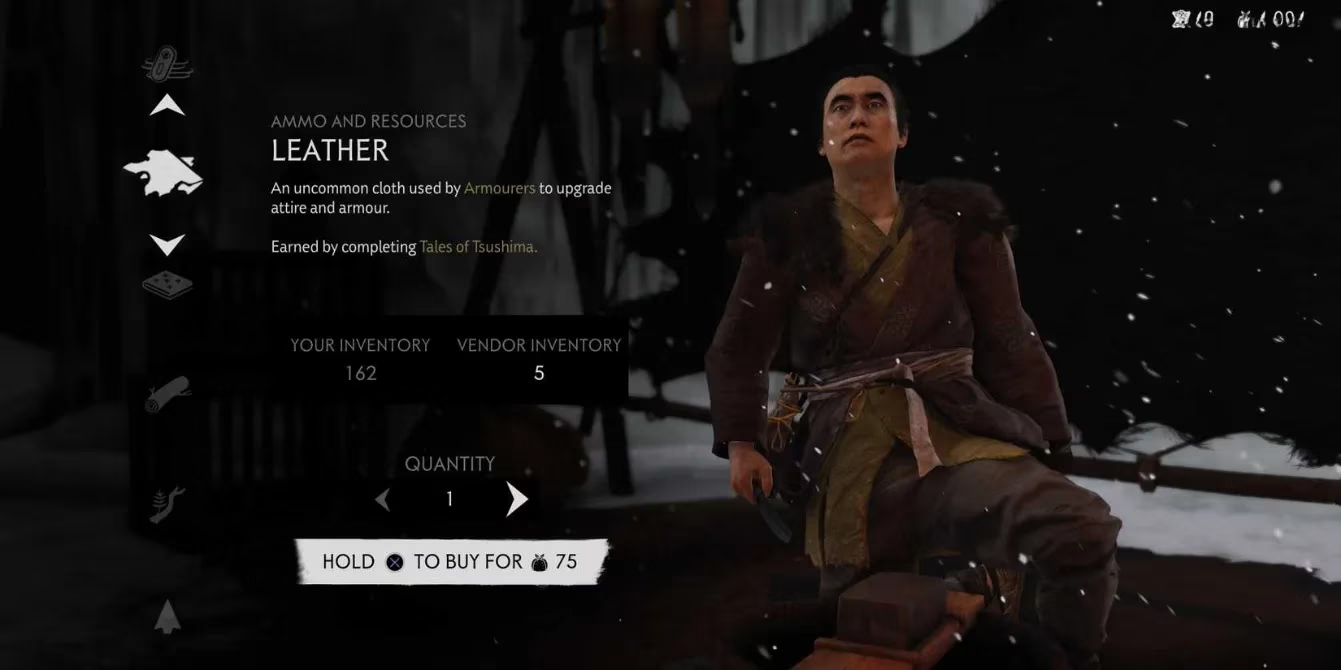
Leather is the rarer cousin of Linen, and at first glance, that scarcity makes the Trapper’s price tag almost tempting. I’ve been there, finger hovering over the purchase button, convinced I’d never find enough hides to upgrade my best armor. Then I actually played the game. Tales of Tsushima, from the sorrowful Masako arcs to the mythic quests, rain Leather like a storm season. By the time Jin faces the Khan, I had a stockpile that could armor a herd of oxen.
What makes Leather such a trap is that it’s tied to armor upgrades, and only a handful of sets truly deserve the investment. The Gosaku armor, for instance, can make you a stagger-breaking demon, but the Broken Armor? Save your Leather for something that pulls its weight. This resource is a classic “less is more” scenario—the less you buy, the more you’ll appreciate the natural bounty of Tsushima’s storytelling. Let the island provide, and keep your Supplies for items that don’t grow on narrative trees.
Iron Will: Why You Shouldn’t Buy the Shiny Chunks
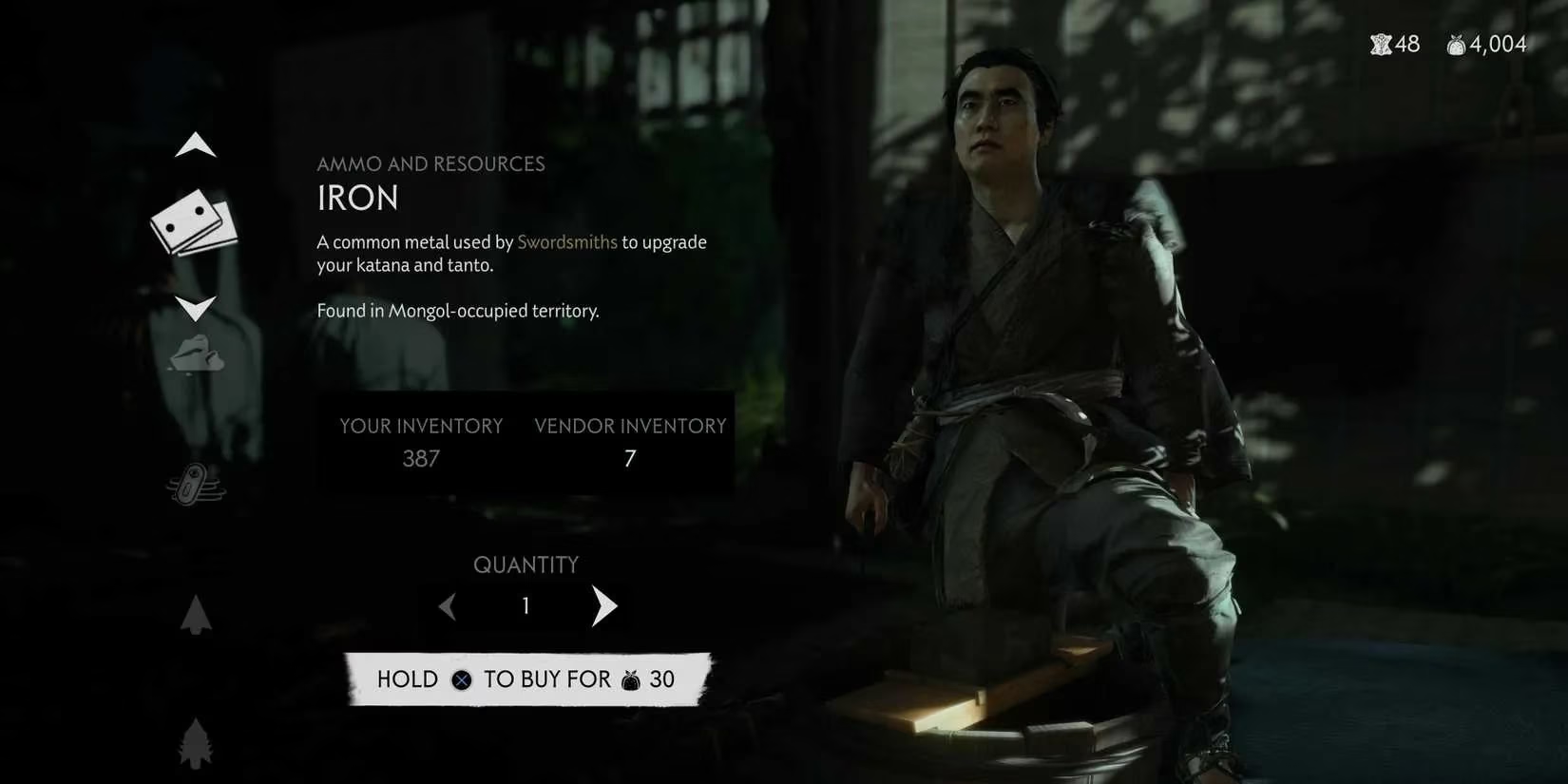
Iron is the bread and butter of sword upgrades, and Trappers act like it’s a delicacy imported from the mainland. Newsflash: the Mongols turned Tsushima into an all-you-can-loot buffet of iron. Every camp, every fort, every stray patrol is a walking hardware store. I could fill a dozen carts just by clearing a single beachside outpost. Spending Supplies on iron is akin to buying a shovel when you’re standing at the entrance of a gold mine—just dig.
Even better, you’ll only upgrade your katana and tanto so many times before they hit their ceiling. Once that blade sings at maximum sharpness, any extra iron becomes dead weight. So why feed the merchant’s pockets? Stroll through a red-occupied territory, let your blade do the talking, and by the time you meet the Swordsmith, you’ll have enough iron to forge a small bridge. It’s almost comical how the game showers you with this stuff when you stop trying to buy it.
Steel Nerves: The Metal That Outstays Its Welcome
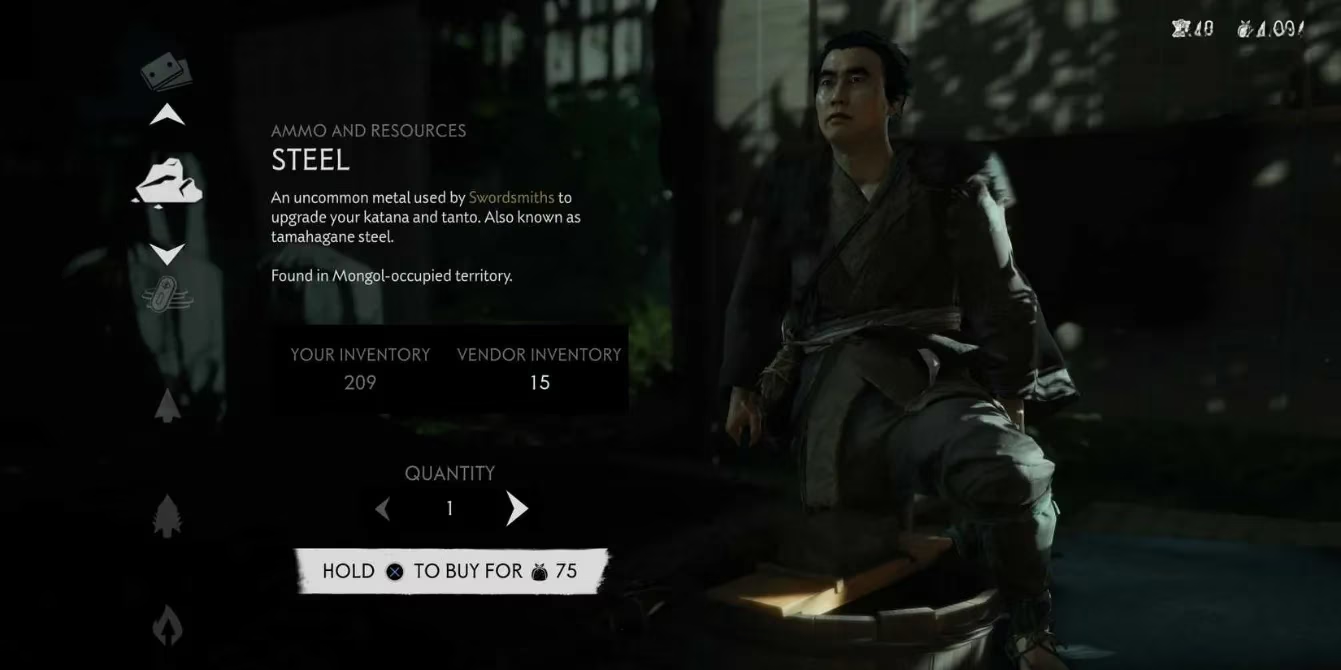
Steel is the shiny big brother of Iron, and it’s gated behind the later stages of the game, so you might think, “Surely, I should stock up while I can.” I certainly did, and I still regret the wasted Supplies. Mongol-occupied territories—those sprawling forts like Castle Kaneda—ooze steel from every tent and commander’s belt. It’s not as common as iron, but it’s far from rare. A thorough sweep of a single fortress can net you more steel than you’ll ever need, especially since the katana and tanto upgrades cap out relatively early in your journey.
The real kicker is how quickly you reach the point of “Well, what now?”—your blade is fully upgraded, your tanto is a pocket death machine, and there’s still steel cluttering your inventory like unwanted souvenirs. Buying steel from a Trapper is like paying admission to your own backyard. Don’t let the merchant’s smooth talk fool you; let the Mongols supply your forge. Walk into their forts with the swagger of someone who knows the loot table is a joke in your favor.
At the end of a long day’s crusade, there’s a quiet satisfaction in watching your Supplies pile grow instead of shrink. Jin’s war isn’t won by the flashy things—it’s won by a sharp eye, a sharper blade, and the wisdom to know when a merchant is just spinning silk. So ride past that Trapper next time. Give him a respectful nod, maybe, but keep your Supplies close. The island will provide, and you, my fellow ghost, will be all the richer for it.
Comments