
Ghost of Tsushima places Jin Sakai in a world where stealth and direct combat coexist, but the game’s duel encounters strip away many of the tools that make ambush tactics so effective. In these moments, Jin must stand his ground against skilled warriors and read timing, distance, and posture. Among the most memorable of these challenges is The Six Blades of Kojiro, a tale that sends Jin across Tsushima in pursuit of five loyal samurai before a final confrontation with Kojiro, a fighter whose reputation paints him as a demon. Even in 2026, the quest remains one of the base game’s standout combat chains because it combines exploration, preparation, and tense one-on-one swordplay.
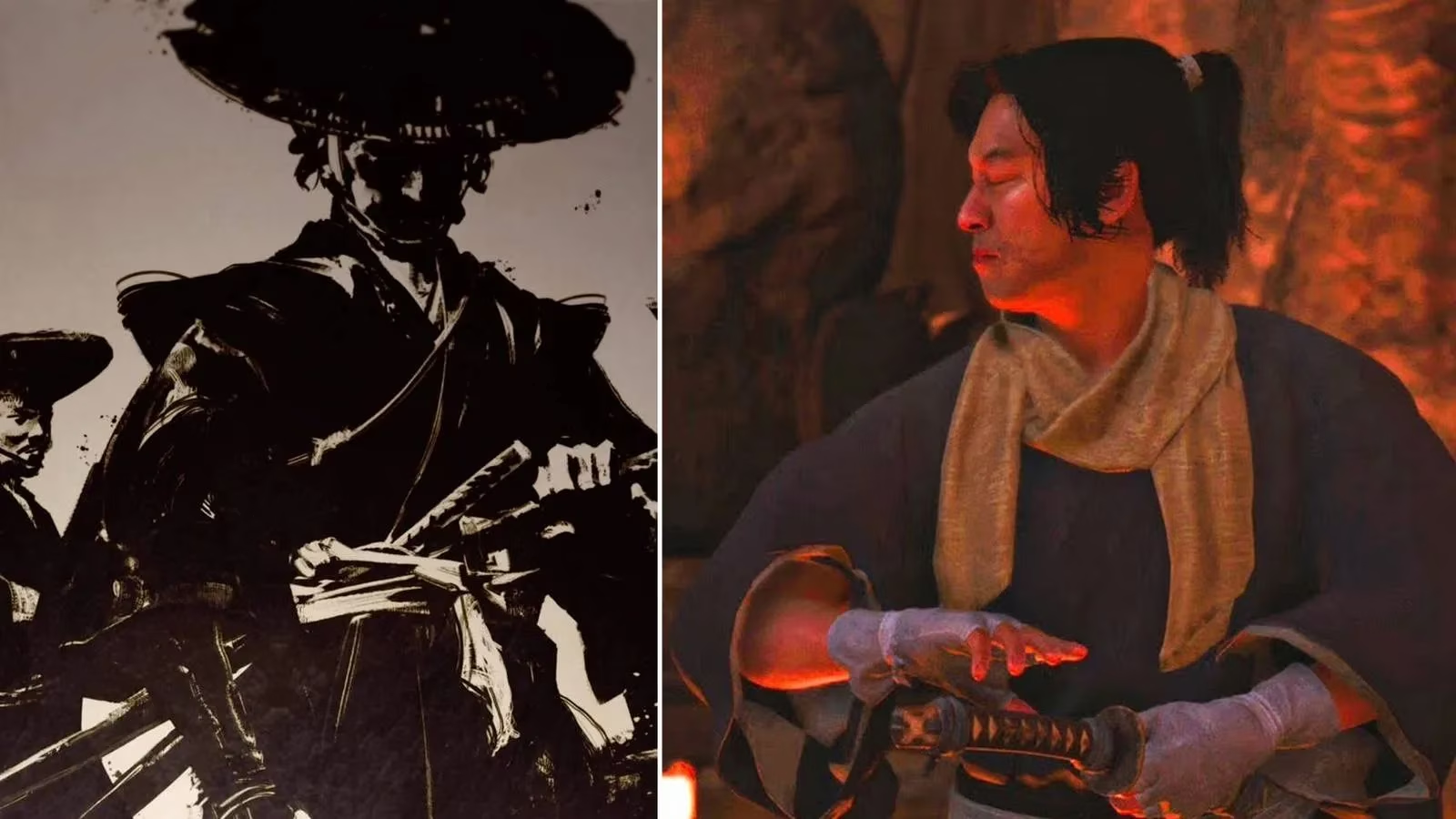
Starting the Tale at Umugi Cove
By following the main story or Masako’s side quest, players eventually reach a settlement called Umugi Cove. At the back of the main building, Jin learns about Kojiro and the legendary Kensei armor. Kojiro is protected by this armor, and Jin resolves to turn its power toward protecting the people. The condition is clear: Kojiro will only face Jin after the five other samurai loyal to him have been defeated. This structure turns the tale into a dueling circuit across Tsushima, with each victory bringing Jin closer to the final bout.
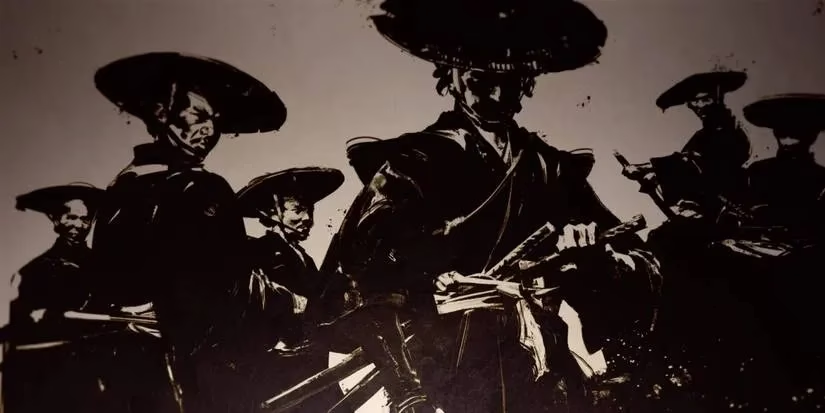
Preparing for the Five Duels
The five duels are scattered in far and isolated places, so travel is substantial. Each opponent uses slightly different tactics, yet their overall behavior is consistent. They strike fast, so blocking and parrying are essential. When they use unblockable strikes, rolling away is reliable because those attacks often form part of a combo. When a samurai sheaths his sword, it telegraphs an upcoming unblockable attack, but the pause also leaves him vulnerable. Heaven’s Strike and Dance of Wrath are effective for dealing heavy damage and reducing balance. Patience matters as much as aggression, since a single mistimed parry can swing a duel in the opponent’s favor.
| ⚔️ Duel | 📍 Location | 🗒️ Notes |
|---|---|---|
| Duel in the Drowning Marsh | Coastline left of Akashima Village | The samurai waits near a dead tree with a hostage; the hostage is released once Jin approaches. |
| Duel Among the Spider Lilies | River north of Umugi Cove | The samurai waits among the flowers. |
| Duel of the Crashing Waves | Sea further up the east coast, north of Akashima Village | The samurai is fishing near a Shinto arch leading to Cloud Ridge Shrine. |
| Duel Under Falling Water | Opposite coast from the Crashing Waves duel | The samurai waits by a waterfall. |
| Duel Under Autumn Leaves | Small peninsula east of Castle Kaneda | The samurai stands among the leaves; this is the furthest duel. |
Duel in the Drowning Marsh
The route to the Duel in the Drowning Marsh follows the coastline to the left of Akashima Village. The samurai is found standing near a dead tree with a hostage. After Jin approaches, the hostage is let go and the duel begins. The open coastal setting offers little room for distraction, so the fight quickly becomes a test of parry timing and composure.
Duel Among the Spider Lilies
The Duel Among the Spider Lilies can be found along the river to the north of Umugi Cove. The samurai waits among the flowers, a quiet setting that contrasts with the sharp exchange of blades. As with the other duels, fast strikes demand steady defense, and unblockable attacks are best avoided with a well-timed roll.
Duel of the Crashing Waves
The Duel of Crashing Waves takes place by the sea, further up the east coast and north of Akashima Village. The samurai is fishing near a Shinto arch leading to Cloud Ridge Shrine. The location is memorable for its coastal atmosphere, but the duel itself follows the same demanding rhythm: block, parry, punish openings, and avoid combo extensions.
Duel Under Falling Water
The Duel Under Falling Water is almost directly opposite the Crashing Waves duel on the opposite coast. The samurai waits by a waterfall, and the secluded location makes the encounter feel like a deliberate test. Heaven’s Strike and Dance of Wrath remain useful tools for breaking balance and dealing heavy damage, especially after a successful parry.
Duel Under Autumn Leaves
The furthest duel is the Duel Under Autumn Leaves, located on a small peninsula to the east of Castle Kaneda. The samurai stands among the leaves, and the long journey makes the confrontation feel like the last stop before the final challenge. By this point, players should have a clear sense of how the five samurai behave, even if each one brings slight variations in timing and pressure.
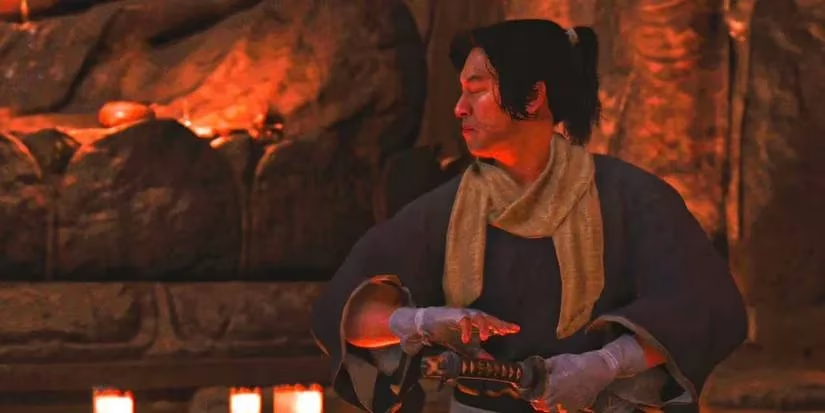
Final Duel at Omi Monastery
Once all five duels have been won, the tale directs Jin to Omi Monastery. This small location can be found to the west of the Falling Water duel near bodies of water. At the monastery, Jin looks for a cavern filled with lanterns to face Kojiro and finish the tale. The final confrontation is the culmination of the quest, and it rewards the same discipline that carried Jin through the earlier fights: careful defense, recognition of unblockable attacks, and decisive punishment when the opponent is vulnerable.
The Six Blades of Kojiro remains a memorable side story because it turns Ghost of Tsushima’s combat system into a series of focused tests. The five samurai are not mere obstacles; they are a progression of dueling lessons that prepare Jin for Kojiro himself. The legendary Kensei armor gives the tale a clear motive, while the scattered locations encourage exploration of Tsushima’s coastlines, rivers, and quiet landmarks. For players who enjoy the game’s standoff-style swordplay, the quest is an essential detour and one of the most satisfying combat challenges in the game.
Based on evaluations from GamesRadar+, Ghost of Tsushima’s strongest duel content stands out because it narrows the combat system to spacing, reaction, and clean punishment windows, which fits especially well with The Six Blades of Kojiro and its sequence of escalating one-on-one encounters before the decisive fight for the Kensei armor.
Comments