
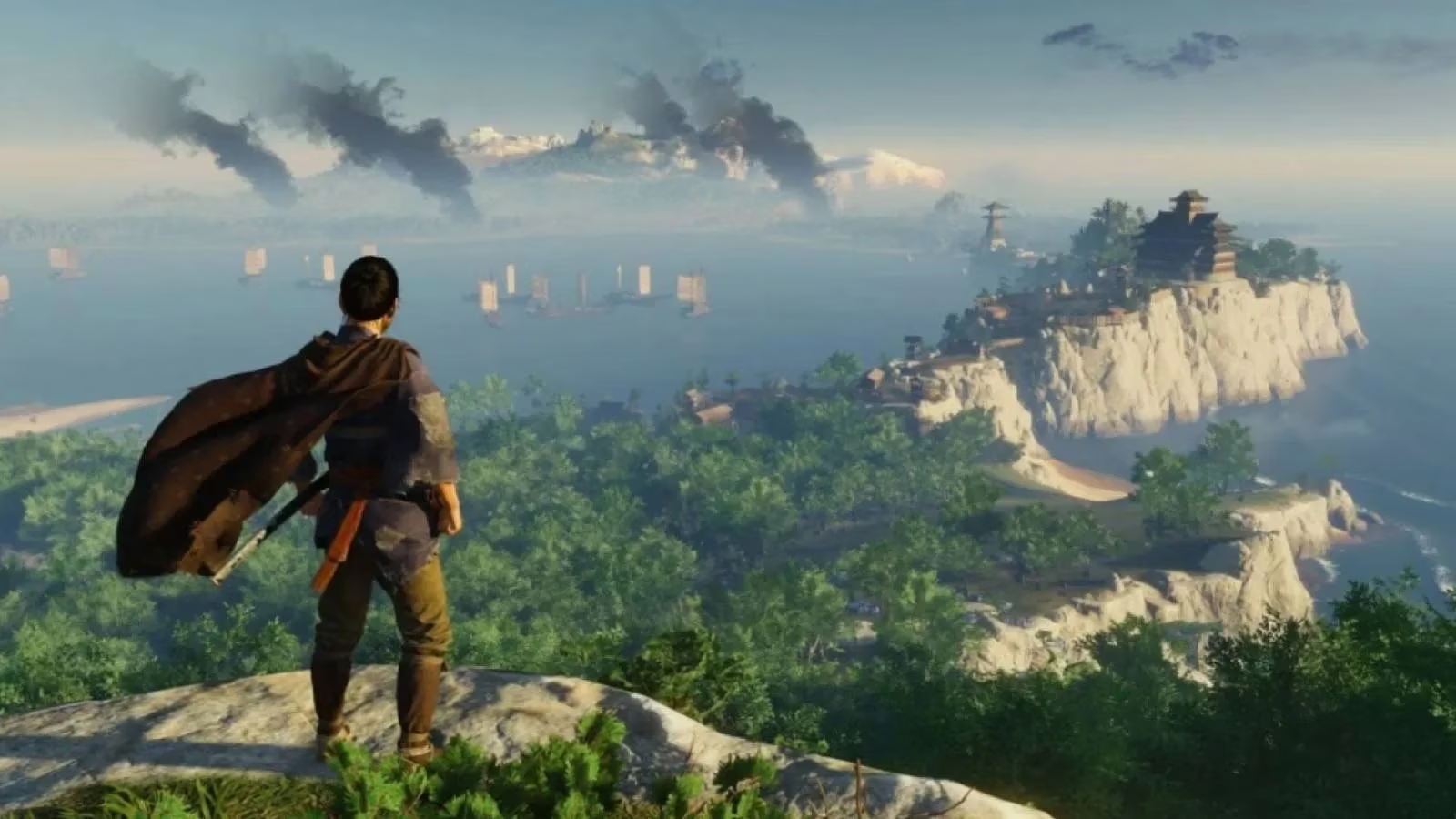
Years after its release, Ghost of Tsushima: Director's Cut still stands as the most complete way to experience Sucker Punch's samurai epic. The PS5 upgrades, smoother performance, and the added Iki Island expansion make the package feel definitive, especially for players who want one long, polished journey. Yet the expansion remains a curious piece of the whole: it is generous, atmospheric, and often beautiful, but its story does not reach the same emotional heights as the base game. In 2026, that contrast is still the most interesting thing about revisiting Iki Island.
⚠️ Spoiler warning for Ghost of Tsushima and its Iki Island expansion.
A Strong Premise That Never Quite Delivers
The setup for Iki Island is genuinely compelling. Jin travels to the island to confront another faction of Mongol invaders, but the real draw is his father's legacy. Kazumasa Sakai was known as the Butcher of Iki, and the expansion promises to examine what that title meant, how Jin felt about his father's violence as a child, and whether the Sakai clan was ever truly in the right. For a regular player, that sounds like exactly the kind of introspective story the base game earned the right to tell.
Unfortunately, the expansion rarely follows through on those promises. It offers only scattered details about what actually happened on Iki Island. The islanders are clearly traumatized, and the remnants of the Sakai clan's violent past are visible everywhere, but Jin never truly reckons with that pain. Instead, he becomes defensive whenever anyone questions Kazumasa. He grows hostile even when the conversation turns to a massacre of civilians. That reaction is puzzling because Jin's own moral compass is one of the strongest parts of the main story, and flashbacks show that he questioned his father's actions when he was young.
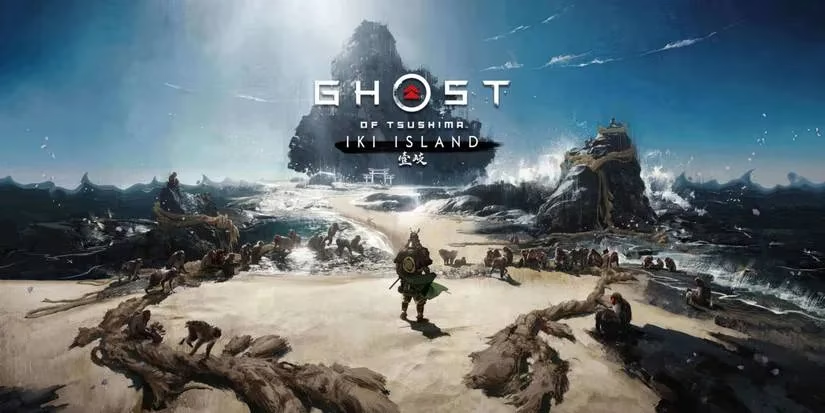
The result is a story that feels emotionally stalled. Jin does not gain empathy for the people his family harmed. He does not confront the uncomfortable truth that his father may have been a brutal man. He simply defends an indefensible legacy, and the narrative never gives that choice enough complexity to feel convincing.
A Central Question With a Predictable Answer
Near the end of the expansion, Jin discovers that he has been working alongside Tenzo, his father's killer. The story then hinges on whether Jin will take revenge or find forgiveness. On paper, that is a strong dilemma. In practice, anyone who has finished Ghost of Tsushima already knows how Jin tends to handle fundamental moral disagreements. His arc with Lord Shimura shows a man willing to break with tradition and question the people he loves when their principles collide with his own.
That makes the Tenzo question feel less like a difficult choice and more like a foregone conclusion. Jin may resent Tenzo for killing Kazumasa, but every other sign of his character points toward forgiveness and self-reflection. The expansion never asks him to make a truly difficult decision in the way the main story does over and over again. Nothing concrete is added to Jin's character beyond a little more context about his family lineage and legacy.
| Element | Main story | Iki Island expansion |
|---|---|---|
| Central conflict | Honor versus survival, samurai code versus the Ghost | Jin's loyalty to his father versus the truth of Kazumasa's violence |
| Main villain | Khotun Khan, a direct threat tied to Jin's choices | The Eagle, a forgettable antagonist with little connection to Jin |
| Emotional core | Jin and Lord Shimura's tragic familial conflict | Jin's estranged relationship with a father he barely understood |
| Player choice | Constant tension between tradition and necessity | A revenge-or-forgiveness beat with a predictable outcome |
The Eagle Is No Khotun Khan
The Eagle is one of the weakest parts of the expansion. She is the antagonist because she enjoys being evil, not because she forces Jin to confront anything about himself. She has no real relationship to Jin, Iki Island, or the Sakai clan. The only reason she knows about Jin's complicated history is that she poisons him and he talks about it. That is not a meaningful conflict of ideals; it is a convenient plot device.
Khotun Khan works because he embodies the central question of Ghost of Tsushima. Jin's internal struggle about abandoning his honor is reflected in the Khan's invasion, and every external challenge pushes Jin closer to the Ghost. The Eagle does nothing comparable. She is a villain who exists to be defeated, not a mirror held up to the hero.
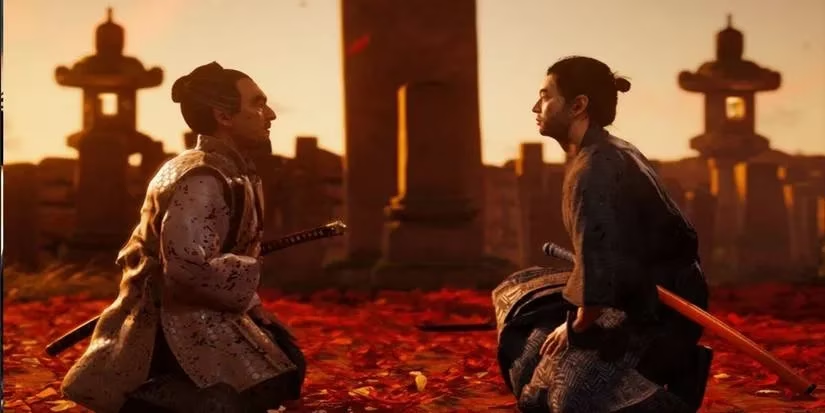
At its core, Ghost of Tsushima is not really about a villain. It is about the conflict of honor between Jin and Lord Shimura. Their final duel is tragic because both men are defending their principles, and neither wants to fight. Iki Island tries to recreate that kind of internal conflict with Jin and his father, but the emotional foundation is not there. Jin and Kazumasa were estranged, and the expansion never makes their relationship feel layered enough to support the weight of the story.
What Still Works
For all its narrative problems, Iki Island is not a waste of time. The island itself is beautiful, with rugged coastlines, eerie caves, and a moody atmosphere that gives the expansion a distinct identity. The combat and exploration remain excellent, and the Director's Cut extras make the overall package feel premium. Fans of the base game will still find plenty to enjoy, especially if they want more Ghost of Tsushima after the main story.
😐 The frustration comes from wasted potential. The pieces for a great story about Jin and his past are all there: a brutal family legacy, a traumatized island, a father's crimes, and a killer who becomes an ally. The expansion simply never dives deep enough into any of them. In 2026, Iki Island remains a scenic detour rather than an essential chapter. It is worth playing for fans, but players should temper their expectations. The main game set a high bar, and the expansion never quite reaches it.
Comments