
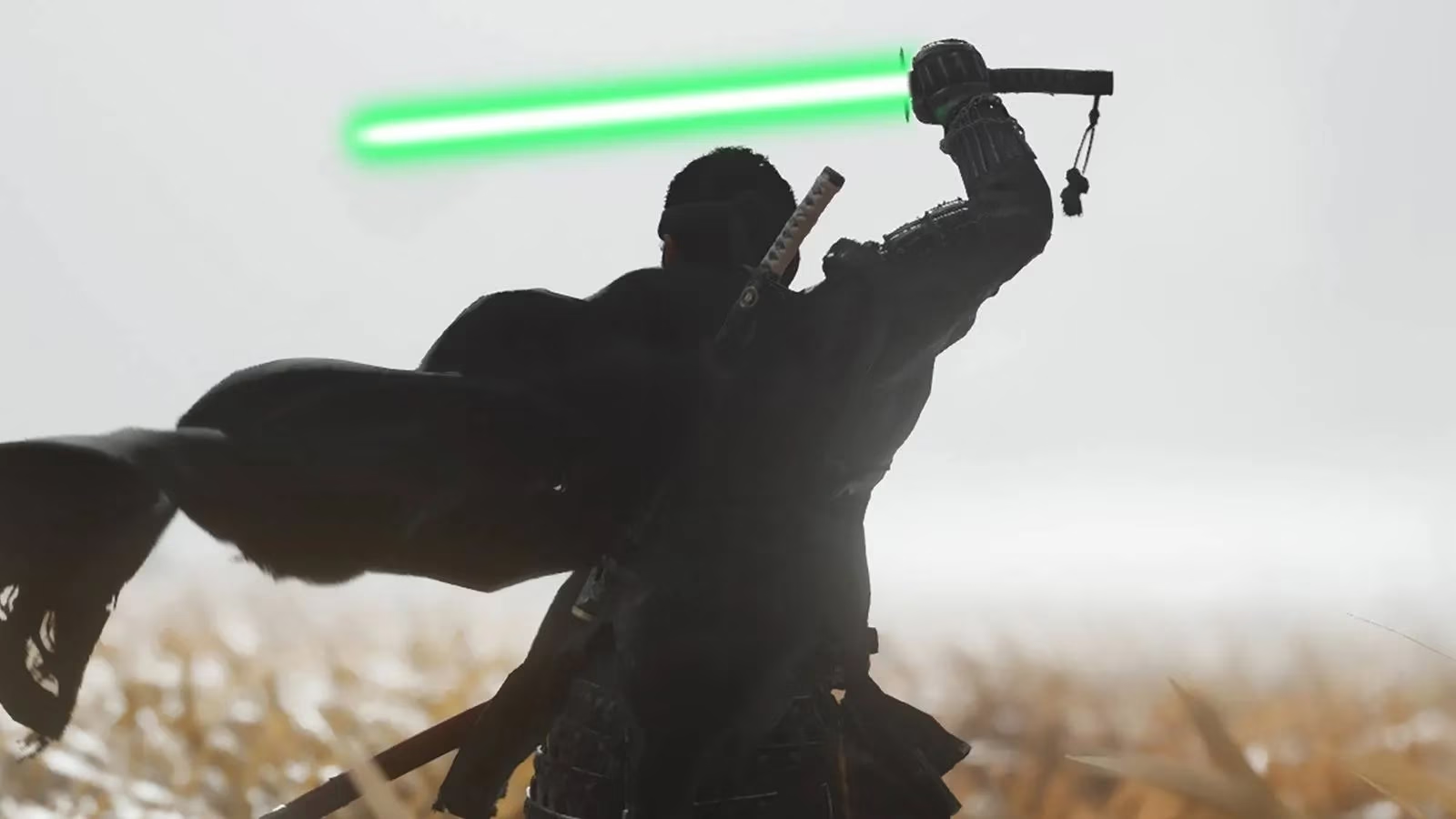
I booted up Ghost of Tsushima again on a rainy weekend in 2026, mostly because I wanted a comfort game that would not ask too much of my tired brain. I am just a regular player, not a critic with a spreadsheet, but about ten minutes into riding through the golden fields of Tsushima, I had the same thought I had back in 2020: this game is straight-up Jedi wish fulfillment. That phrase is not mine, by the way. Sam Witwer, the actor behind Starkiller in Star Wars: The Force Unleashed, said it in an interview, and it has lived rent-free in my head ever since. In 2026, after plenty of new games have come and gone, the comparison still hits different.
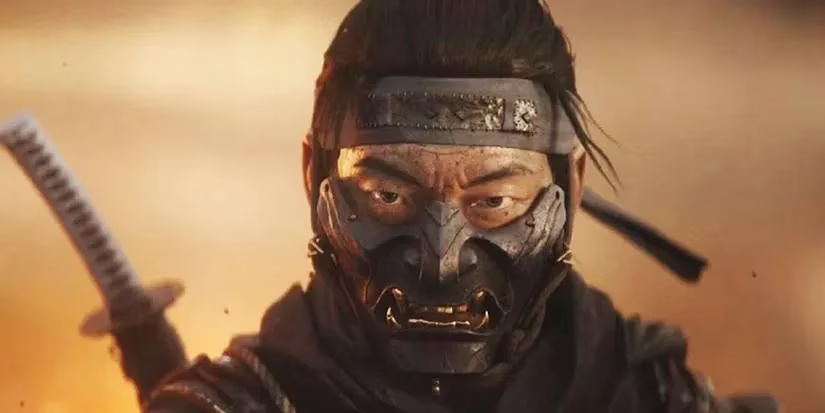
Ghost of Tsushima follows Jin Sakai, a samurai fighting against the Mongol invasion of Tsushima, an island off the coast of Japan. Jin is no weakling at the start, but the whole adventure is about growing his gear and abilities as a fighter. You start with some skill, sure, but by the end you feel like a proper blade master. The story keeps pushing Jin to reckon with honor and what it means to be a dutiful, traditional samurai in a world of endless opposition and oppression from a massively powerful military force. That emotional, cinematic narrative is a big part of why the game got so much praise in the first place, and it is also why I keep coming back.
Witwer called Ghost of Tsushima 'Jedi wish fulfillment,' and he drew a line between Jedi and samurai, noting that the former was spawned from the latter. That is not exactly a hot take among Star Wars fans, because it is pretty common knowledge that Jedi were partially inspired by real-world samurai. The stoicism, the calm, the effortless expertise, the inner peace, all of that lines up nicely with samurai in historical records and popular media. Ghost of Tsushima leans into that vibe big time. The flute-playing mechanic is chef's kiss. Sometimes I just sit on a hill and play the flute while the wind moves the grass, and I feel like I am one deep breath away from moving rocks with my mind.
Beyond the temperament stuff, the combat is where the Jedi comparison really slaps. Ghost of Tsushima has an impressively animated and elegant combat system that carries the same free-flowing energy and restraint as a good lightsaber battle. Standoffs, parries, dodges, counters, and those clean finishing cuts all feel like a dance where losing your cool is the fastest way to lose the fight. It is not just flashy; it is about timing, calm, and control. In my book, that is exactly what a Jedi duel should feel like. No sweat, no wild flailing, just a steady hand and a sharp read of your opponent.
Here is a quick table I threw together while thinking about it:
| Star Wars Jedi vibe | Ghost of Tsushima moment |
|---|---|
| Calm before violence | Standoff duels |
| Fluid blade work | Parry, dodge, counter |
| Inner peace | Flute on a hill |
| Duty vs. emotion | Jin's honor arc |
I also get why folks say Ghost of Tsushima inspired Trek to Yomi, even though the two games are not the same beast. The samurai fantasy, the cinematic framing, the focus on blade work, it all creates a mood that other games have clearly studied. And honestly, if there is ever another entry in the Star Wars: The Force Unleashed franchise, it could do a lot worse than taking notes from Sucker Punch's 2020 action game. Give me a Jedi game with standoffs, stance switching, and a quiet moment to play a flute on a cliff, and I will be there day one.
As of 2026, Ghost of Tsushima still holds up big time. The Director's Cut and the PC version have kept it in the conversation, and the long-rumored sequel talk has not cooled off one bit. I am still keeping my fingers crossed. But even without a new game, the original is enough for me. It gives me that samurai-meets-Jedi feeling without needing a lightsaber, a Force push, or a droid sidekick. It is just Jin, the wind, the grass, and a whole lot of honor on the line. And for a regular player like me, that is the good stuff.
Comments